
The Allure of Risk-Taking
One of the most compelling psychological aspects of casino gaming is the allure of risk-taking. Many players are drawn to the thrill of potentially winning large sums of money, despite the odds often being stacked against them. This excitement triggers the brain’s reward system, releasing dopamine—a chemical associated with pleasure and reinforcement. The anticipation of a big win can create a sense of euphoria, driving individuals to engage in gambling activities that may not align with their rational judgment, especially when they explore options like no kyc casinos.
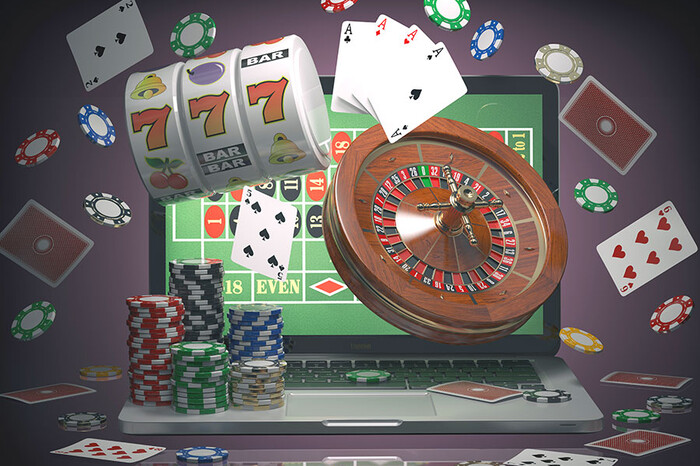
This thrill is further enhanced by the unpredictable nature of games, making each round a new opportunity filled with both hope and uncertainty. Players often believe they can outsmart the system or that their luck might change, leading them to continue playing even after extended periods of loss. This phenomenon illustrates how the brain’s cognitive biases, such as the illusion of control, influence gaming behavior, often leading to irrational decision-making.
Understanding the Gambler’s Fallacy
The gambler’s fallacy is a well-known cognitive bias that occurs when individuals believe that past events can influence future outcomes in random games. For example, a player may think that a slot machine is « due » for a payout after a series of losses. This misconception is prevalent in casino settings, where the randomness of games is often misunderstood. Players may develop strategies based on previous spins or hands, despite the fact that each event is independent.
This type of thinking can lead to reckless betting habits, as players may increase their stakes in hopes of recouping previous losses. Understanding the gambler’s fallacy is essential for both players and casinos, as it highlights the importance of educating gamblers about how games work and the statistical realities behind them. Addressing these misconceptions could help mitigate problem gambling behaviors.
The Role of Environment in Gambling Behavior
The environment in which gambling takes place plays a critical role in influencing player behavior. Casinos are designed to create an immersive experience, using bright lights, engaging sounds, and strategic layouts to entice gamblers. This stimulating atmosphere can heighten emotions and lower inhibitions, making players more likely to engage in riskier betting behaviors. The sensory overload can lead to a dissociation from reality, causing players to lose track of their time and money.
Furthermore, the presence of other gamblers can create a social dynamic that reinforces risky behaviors. Players may be influenced by those around them, leading to a sense of camaraderie or competition that encourages them to bet more aggressively. Understanding the impact of the gaming environment is crucial for both casinos looking to create positive experiences and for players aiming to remain mindful of their gambling habits.
Developing Personal Strategies for Success
In the quest to improve their chances of winning, many players develop personal strategies and systems. These strategies can range from betting patterns to specific game choices based on perceived odds. While some players believe that these systems can yield success, it’s important to recognize that most games are governed by chance, and no strategy can guarantee consistent wins. However, developing personal strategies can provide a sense of control, which is psychologically rewarding.
Moreover, players often analyze previous games and outcomes to formulate these strategies, which can create a false sense of security and reinforce a commitment to gambling. Self-awareness and understanding the limitations of personal strategies are essential for responsible gambling. By focusing on enjoyment and entertainment rather than solely on financial gain, players can cultivate a healthier relationship with gaming.
Homewings: A Safe Space for Gambling Insights
While Homewings primarily focuses on home design and improvement, its approach to providing expert advice and resources can be paralleled in the realm of gambling. Just as Homewings seeks to enhance user experience through guidance and support, the gambling community can benefit from similar strategies. Platforms that offer educational resources about responsible gambling can help players understand the psychology behind their strategies and decisions.
By fostering a safe space for exploration and learning, platforms like Homewings can empower individuals to engage more thoughtfully in their interests. Whether it’s enhancing their living environments or understanding their gaming habits, users are encouraged to seek assistance and knowledge that can lead to improved outcomes in various aspects of their lives.